
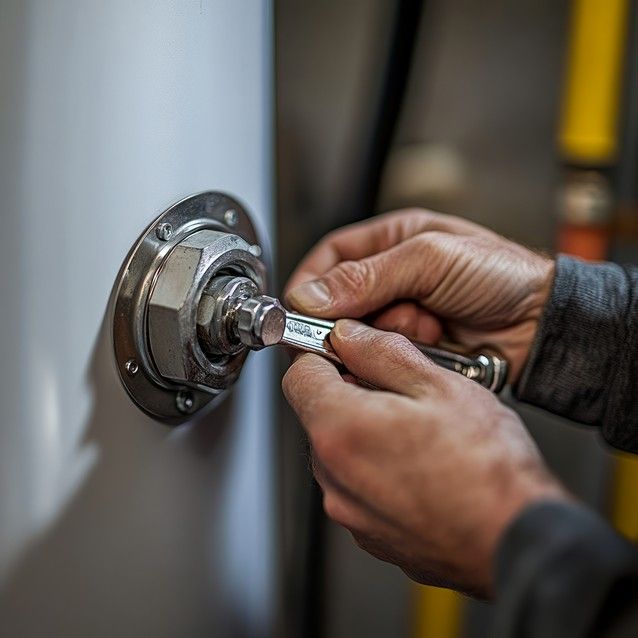
Commercial locks take hundreds of cycles a day. When a lock starts failing, or when the wrong people might have keys, changing it protects your business.
When should you replace a commercial door lock?
- After a break-in or attempted entry: damaged locks and strikes should be replaced right away.
- When the lock is worn: keys stick, the latch doesn’t catch or the bolt doesn’t fully extend.
- After a lease change or new ownership: you don’t know who kept keys.
- When upgrading security: moving to high-security cylinders or a master key system.
- When hardware is outdated: residential-grade locks on commercial doors wear out fast.
If your locks are in good shape and you only need new keys, rekeying is the more affordable option.
Our commercial lock replacement process
- Assess the door. We check the lock, the door, the frame and the strike plate.
- Recommend hardware. We explain the options and the price before we start.
- Install and adjust. We fit the new lock, align the strike and test it with the door’s closer.
- Set up keys. New keys, keyed alike or on your master key system.
Lock change for offices
Office lock changes are usually about key control: suite doors after a tenant moves out, interior doors after staff changes, and file or server rooms that need tighter access. We replace locks with commercial-grade levers or mortise locks and can key them into a master key system.
Lock change for storefronts
Storefront locks deal with heavy traffic, weather and, sometimes, prying. We replace deadlocks, cylinders and latches on aluminum and glass storefront doors, and back-door locks that often take the brunt of break-in attempts.
Commercial locksmith near you
Airborne Locksmith is licensed in Texas (license B11650201), bonded and insured, with walk-in stores in Houston and Katy. For everything else we do for businesses, see commercial locksmith services.